Curricula
Our Master of Music curriculum offers three distinct paths:
[A2] Artistic Research
(Full Thesis Course):
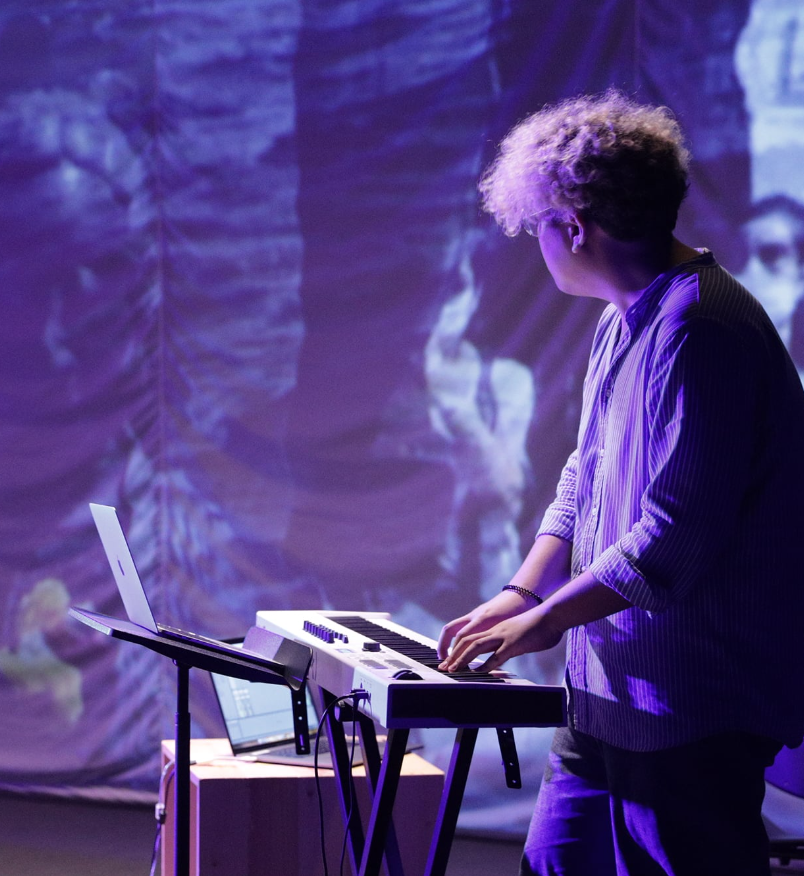
This program is specifically designed for creative musicians and sound makers looking to develop their artistic practice and research through a focused applied project. Combining personalised guidance, courses, and seminars, the program balances academic coursework with creative work, enabling students to develop their conceptual and critical thinking while applying their focus to a cohesive artistic process.
Through the programme, students will develop the skills to address challenges they encounter, equipping them to adapt to future situations as their practice evolves. They will gain knowledge and draw inspiration from our vibrant community of students and experts while connecting with our extensive international network of world-class practitioners, visiting artists, and researchers.
The final thesis project includes a portfolio of works — which may include performances, compositions, or installations — along with an in depth text highlighting the context of the research and its creative process. This creative output is focused around a chosen topic which the student use as a main line of enquiry throughout their studies. The artistic work conveys the research’s core ideas and highlights musical and artistic experiences as academic inquiry.
The first year is designed as a foundation, guiding you through a process of discovery and exploration. This phase allows you to delve into your interests, gradually develop your skills, and build a contextual understanding as you define the main direction of your thesis project.
- Portfolio: showcasing substantial activity and achievements in your proposed field.
- One essay relevant to your proposed area of research (2000-5000 words)
- A written proposal summarising your motivation and inspiration as well as your proposed area of research.
[B] Artistic Research
(Individual Studies):
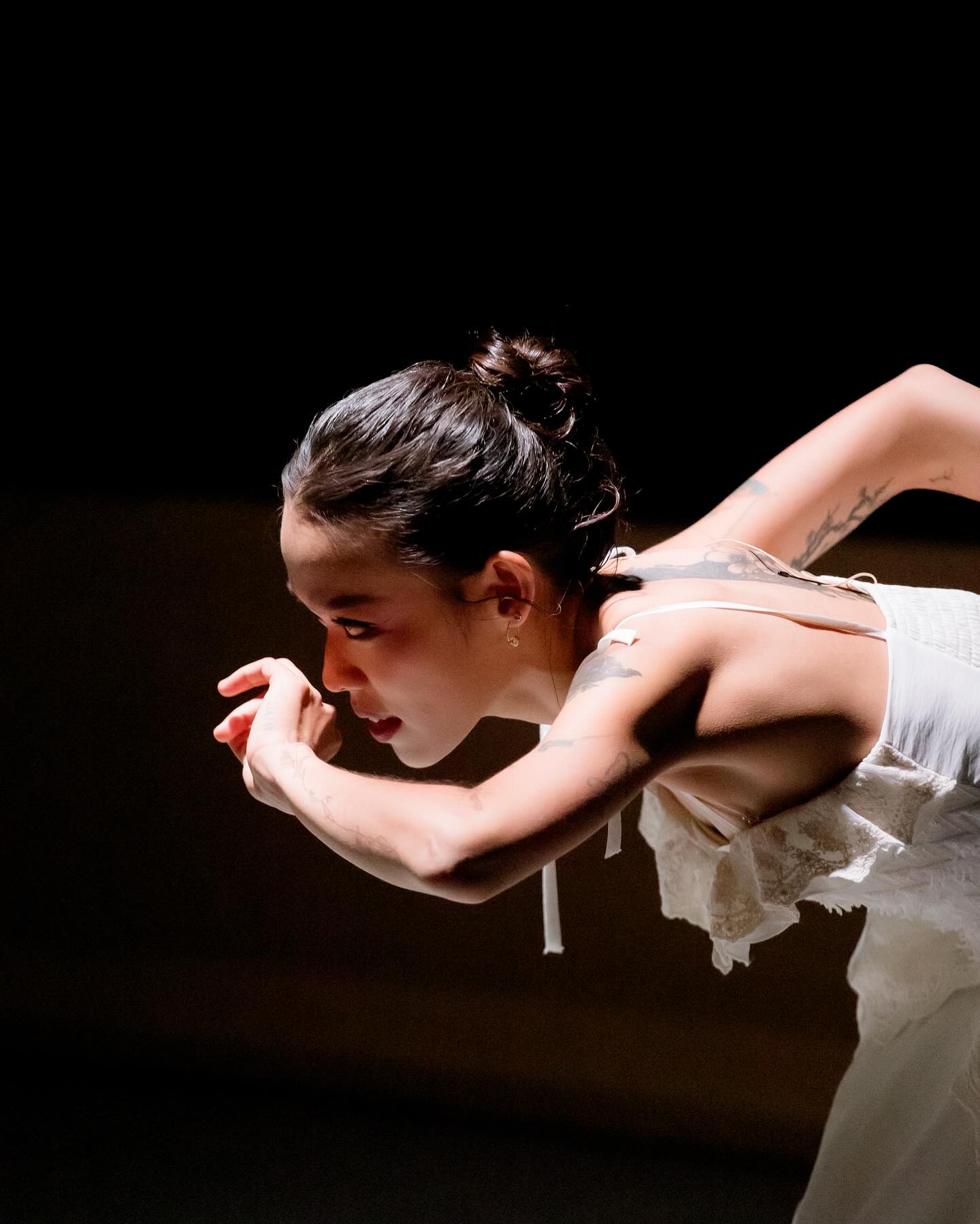
This two-year program supports the development of your artistic practice and research through personalised tutorials, courses, and seminars, with a focus on areas such as composition, performance, or curating music installations. Combining coursework and creative projects, the program guides you through a structured process to realise your full artistic potential.
The individual study program culminates in a portfolio of creative works (performance, installation, or compositions), grounded in artistic research. This is supported by accompanying reflections that document the process, intentions, and conceptual framework.
The first year is designed as a foundation, guiding you through a process of discovery and exploration. This phase allows you to delve into your interests, gradually develop your skills, and narrow down the focus of your studies as you develop a portfolio of works showcasing the direction of your artistic vision.
- Portfolio: Showcasing your previous achievements in your proposed field.
- One Essay: Relevant to your proposed area of specialisation.
- Written Proposal: Summarising your motivation, inspiration as well as your proposed direction for your artistic exploration.
[A1] Artistic Research (Thesis Only):
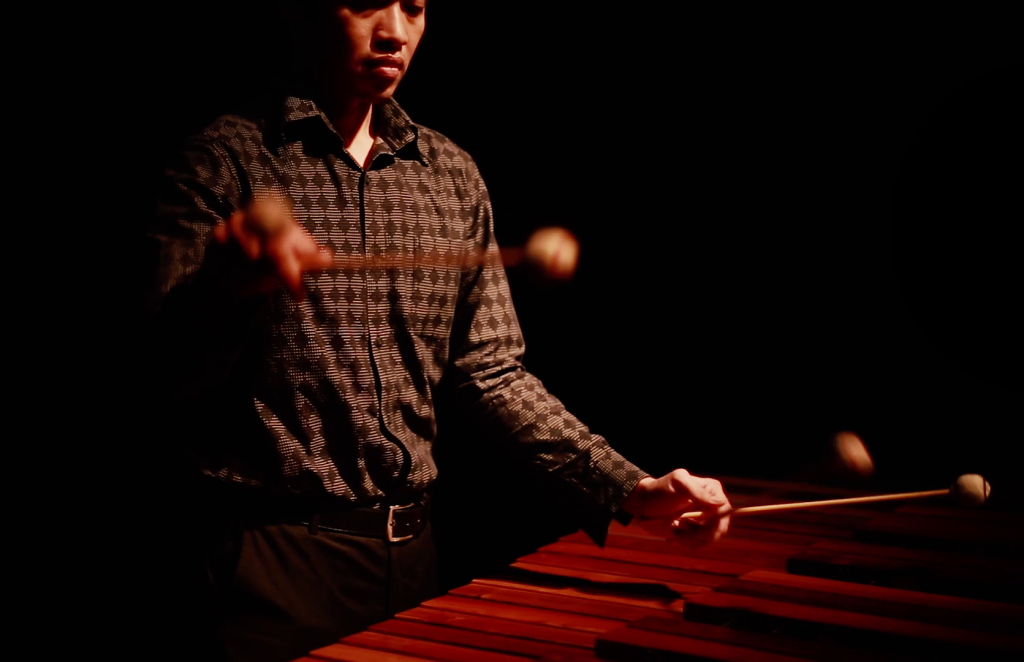
This two-year program is designed for autonomous professionals seeking to pursue creative research projects, supporting their artistic and academic growth through guidance and community engagement while accommodating their professional commitments.
The final thesis combines an in-depth applied research project with significant creative outputs, using artistic mediums to convey the research’s core ideas and explore musical experience as academic inquiry. The thesis includes a portfolio of creative work—such as compositions, performances, or installations—paired with a written text of 20,000–35,000 words, with its format tailored to the project’s needs.
- Portfolio: Showcasing your previous achievements in your proposed field.
- Two essays: Relevant to your area of research.
- Research Project Proposal: Clearly defining your research questions and the scope of the projected outcome.