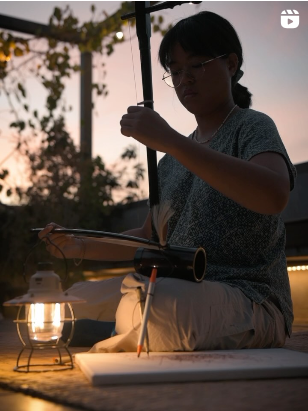
THE SOUNDS OF LITTLE MOMENTS: A MULTIDISCIPLINARY INVESTIGATION OF TIME IN EVERYDAY LIFE
Author: Chaimongkol Wiriyasatjaporn
-
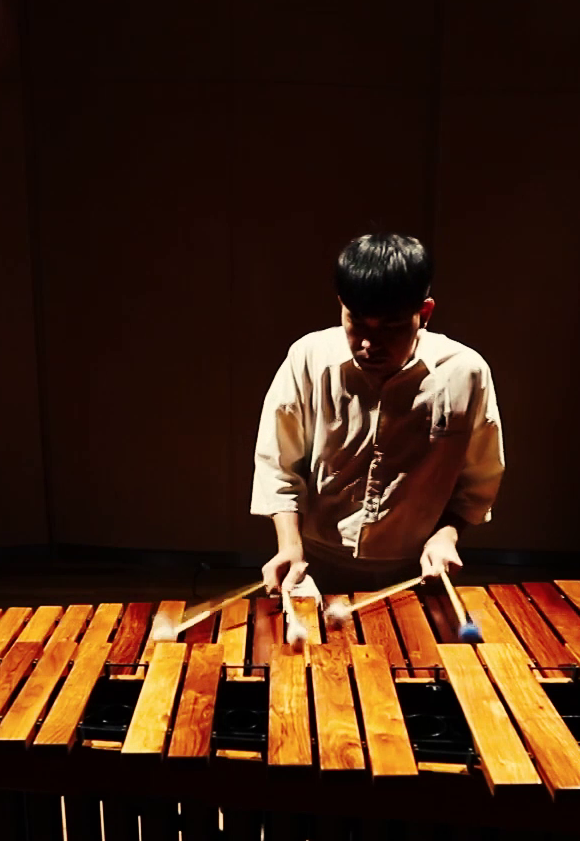
NADIS BOONROD
THE DESIGN OF AN ONLINE LEARNING RESOURCE FOR INTERMEDIATE PERCUSSIONISTS ON THE TOPIC OF FOUR MALLETS TECHNIQUE
-
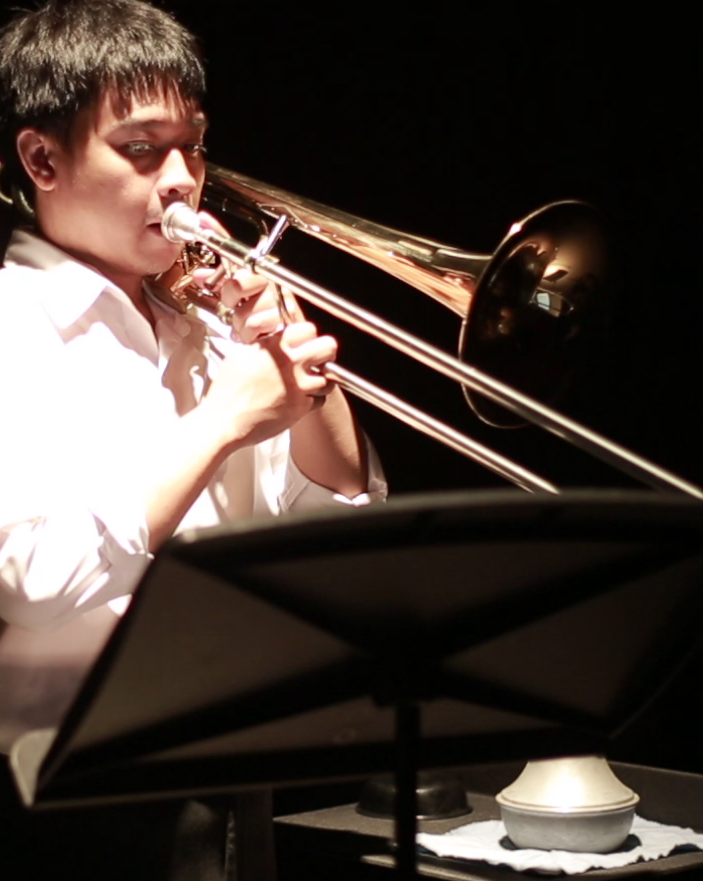
SONGKLOD NUNTHAKASEM
THE SONIC CHARACTERS OF “OCEAN”: A STUDY THROUGH ACOUSTIC INSTRUMENT AND ELECTRONICS SOUNDS (more…)
-

WARUDH RUDI SAMANSAP
IN THE SCENT OF MUD AND BUFFALO: AN INTERDISCIPLINARY STUDY ON THE LEGACY OF PAIBOON BUTKHAN (more…)
-
An Investigation of Subject-specific Language Challenges for Chinese Music Students in the UK: A Case Study
An Investigation of Subject-specific Language Challenges for Chinese Music Students in the UK: A Case Study
Hang Li, University of York
ABSTRACT
Comprising a significant part of UK university student population, Chinese international students receive extensive research interest. In HE music education, existing scholarship has examined Chinese student-teachers’ intercultural experiences, with a particular focus on pedagogical adaptation. However, the linguistic challenges faced by Chinese music education students, especially in relation to their teaching and learning practices, remain underexplored. As learners with English as an additional language, these students require specialist language support that centralised support mechanisms, designed for heterogenous student population, may not adequately provide. This gap underscores the need for subject-specific language support facilitated by discipline specialists – an area that has yet to receive critical attention in the field. This presentation introduces the researcher’s doctoral thesis – a case study of Chinese students on MA Music Education: Instrumental and Vocal Teaching at the University of York, which consists of three Subunit studies to examine Chinese pre-service instrumental/vocal teachers’ subject-specific language challenges and the provision of targeted support on the programme. Data was collected through observations, interviews, and questionnaires, incorporating perspectives from both students and staff. Findings contribute empirical insights into the language challenges of Chinese MA music education students and highlight the critical need for discipline-based language support, offering broader implications for inclusivity in multicultural music classrooms.
Keywords: Music teachers, Chinese Students, Subject-specific Language
-
เพลงภาษา: การสอนดนตรีในรูปแบบออนไลน์สู่การนำไปใช้ในห้องเรียน Accent Songs: Teaching Music from Online Learning to Classroom Application
เพลงภาษา: การสอนดนตรีในรูปแบบออนไลน์สู่การนำไปใช้ในห้องเรียน
Accent Songs: Teaching Music from Online Learning to Classroom Applicationสสิพงษ์ แก้วเปี้ย, จุฬาลงกรณ์มหาวิทยาลัย
Sasipong Kaewpia, Chulalongkorn Universityบทคัดย่อ
การเรียนการสอนเรื่องเพลงภาษาสำหรับผู้เรียนระดับชั้นประถมศึกษาในรูปแบบออนไลน์และในห้องเรียน มีความแตกต่างหลายประการที่ครูผู้สอนต้องคำนึงและตระหนักถึง เพื่อให้ผู้เรียนได้รับความรู้ทางดนตรีอย่างครบถ้วน ครูผู้สอนจำเป็นต้องใช้วิธีการหรือรูปแบบการสอนที่หลากหลาย เพื่อให้สามารถจัดการเรียนการสอนได้อย่างเหมาะสมและครอบคลุม ในบทความชิ้นนี้ผู้วิจัยมีวัตถุประสงค์เพื่อนำเสนอแนวทางในการจัดการเรียนการสอนเพลงเพลงภาษาในระดับชั้นประถมศึกษาตอนปลายตามสาระดนตรีในรูปแบบการเรียนการสอนออนไลน์สู่การนำไปใช้จริงในห้องเรียน โดยผู้วิจัยได้จัดการเรียนการสอนเพลงภาษาในหัวข้อ ‘เพลงคุณหลวง’ ซึ่งเป็นเพลงที่ใช้สำหรับการเรียนการสอนของผู้เรียนในระดับชั้นประถมศึกษาตอนปลาย ดำเนินการวิจัยด้วยระเบียบวิธีวิจัยเชิงคุณภาพแบบเล่าเรื่อง โดยเก็บข้อมูลเชิงลึกจากจัดการเรียนการสอนในรูปแบบออนไลน์และในห้องเรียนของผู้เรียนในระดับชั้นประถมศึกษาปีที่ 4 โรงเรียนสาธิตมหาวิทยาลัยศรีนครินทรวิโรฒ ประสานมิตร
(ฝ่ายประถม) ที่เรียนในรายวิชาดนตรีไทยตลอดทั้งภาคการศึกษาผลการวิจัยพบว่า 1) การเรียนการสอนในลักษณะออนไลน์ จะมุ่งเน้นไปที่การสร้างความรู้ความเข้าใจในเนื้อหาทางดนตรี เช่น ความหมายเพลงภาษา ประวัติเพลงภาษา ผ่านการใช้คลิปวิดีโอประกอบการสอน 2) การสอนในห้องเรียนจะพัฒนาให้ผู้เรียนมีความเข้าใจในเรื่องของทักษะทางดนตรี เช่น การร้องเพลง การเล่นเครื่องดนตรี การเคลื่อนไหว แต่ยังคงใช้วิธีการสร้างความรู้ความเข้าใจจากคลิปวิดีโอการสอนเรื่องประวัติเพลงภาษา เพราะสื่อการสอนในลักษณะวิดีโอเป็นสิ่งที่กระตุ้นให้ผู้เรียนเกิดความสนใจในการเรียนการสอนได้เป็นอย่างดี
จากผลการวิจัยจะพบว่ารูปแบบการสอนทั้งสองแบบควรใช้สาระดนตรีเป็นองค์ประกอบสำคัญในการเรียนการสอน เพื่อให้ผู้เรียนมีความรู้ความเข้าใจในดนตรีมากขึ้น ผู้สอนสามารถจัดการเรียนการสอนได้อย่างมีหลักการและมีแบบแผน สามารถวัดและประเมินผลการเรียนรู้ของผู้เรียนได้อย่างถูกต้องและชัดเจน สามารถนำไปปรับใช้ให้เหมาะสมกับการจัดการเรียนการสอนของตนเอง และเป็นแนวทางในการพัฒนาการจัดการเรียนการสอนในรายวิชาดนตรีต่อไป
คำสำคัญ: การเรียนการสอนออนไลน์, สาระดนตรี, เพลงภาษา
ABSTRACT
Teaching and learning about accent songs for elementary school students in online and classroom settings have several key differences that teachers must consider ensuring comprehensive music essence. Teachers need to employ diverse teaching methods and approaches to facilitate effective and inclusive instruction. This study aims to present strategies for teaching accent songs to upper elementary students within the music essence, transitioning from online instruction to practical classroom application. The researcher conducted lessons on the song “Phleng Khun Luang” a piece used for teaching upper elementary students, employing a qualitative narrative approach methodology. Data were collected through in-depth observations of both online and in-class learning among Grade 4 students at Prasarnmit Elementary Demonstration School.
The findings reveal that:
1) Online learning primarily focuses on developing students’ understanding of musical content, such as the meaning and history of accent songs, through instructional video clips.
2) Classroom learning emphasizes the development of musical skills, such as singing, playing instruments, and movement, while still incorporating instructional videos on the history of accent songs to enhance engagement and comprehension.The research suggests that both teaching approaches should integrate fundamental music essence as core components of instruction to enhance students’ musical knowledge and understanding. With structured and principled teaching strategies, educators can effectively assess student learning outcomes. These findings can guide teachers in adapting their instructional methods to suit their classrooms and contribute to the development of music education.
KEYWORDS: Online Teaching, Music Essence, Accent Songs
-
ซอฟต์พาวเวอร์ทางวัฒนธรรม: กรณีศึกษาวงดนตรีเมทัลไทย Cultural Soft Power: A Case Study of Thai Metal Bands
ซอฟต์พาวเวอร์ทางวัฒนธรรม: กรณีศึกษาวงดนตรีเมทัลไทย
Cultural Soft Power: A Case Study of Thai Metal Bandsศักดิเดชน์ เดชมณี และ สยา ทันตะเวช, จุฬาลงกรณ์มหาวิทยาลัย
Sakdidech Dechmani & Saya Thuntawech, Chulalongkorn Universityบทคัดย่อ
การวิจัยนี้มีวัตถุประสงค์เพื่อ 1) ศึกษาวิธีการที่วงดนตรีเมทัลไทยใช้ในการผสมผสานองค์ประกอบทางวัฒนธรรมไทย 2) วิเคราะห์ผลกระทบของดนตรีเมทัลไทยต่อการสร้างซอฟต์พาวเวอร์ 3) สำรวจการปรับตัวของวงดนตรีเมทัลไทยในเวทีโลก งานวิจัยนี้ใช้ข้อมูลจากการสัมภาษณ์เชิงลึกกับสมาชิกวงดนตรีเมทัลไทย 3 วง ซึ่งได้รับการสนับสนุนจากโครงการ Music Exchange Soft Power ของสำนักงานส่งเสริมเศรษฐกิจสร้างสรรค์ (CEA) ใช้วิธีการวิเคราะห์ข้อมูลเชิงคุณภาพ ได้แก่ การวิเคราะห์เชิงหัวข้อ (Thematic Analysis)
ผลการวิจัยพบว่าดนตรีเมทัลไทยมีศักยภาพในการสร้าง Soft Power ผ่านองค์ประกอบหลัก 5 ประการ ได้แก่ 1) การนำเสนอเอกลักษณ์ไทยผ่านดนตรีและการแสดง เช่น การใช้สัญลักษณ์ทางวัฒนธรรมไทยและการแสดงสดที่มีอัตลักษณ์เฉพาะ 2) การผสมผสานเสียงที่มีอัตลักษณ์ของความเป็นไทย เช่น เสียงของบทสวด 3) ผลกระทบต่อผู้ชมต่างชาติ ซึ่งสะท้อนผ่านการตอบรับเชิงบวกในเทศกาลดนตรี 4) ความสามารถในการปรับตัวเข้ากับมาตรฐานสากลผ่านเทคนิคการเล่นและแนวคิดที่เข้ากับรสนิยมของผู้ฟังในระดับสากล 5) การสร้างปฏิสัมพันธ์กับผู้ชม ช่วยให้ดนตรีเมทัลของไทยได้รับการยอมรับมากขึ้นในระดับสากล ผลวิจัยนี้ชี้ให้เห็นถึงบทบาทของดนตรีเมทัลไทยในฐานะเครื่องมือทางวัฒนธรรม งานวิจัยเสนอแนวทางในการพัฒนาเครือข่ายความร่วมมือระหว่างประเทศ และการสนับสนุนจากภาครัฐและเอกชน
คำสำคัญ: ซอฟต์พาวเวอร์, ดนตรีเมทัลไทย, อัตลักษณ์ไทย
ABSTRACT
This research aims to: 1) examine the methods by which Thai metal bands integrate Thai cultural elements, 2) analyzethe impact of Thai metal music on the creation of soft power, and 3) explore the adaptation of Thai metal bands in the global arena.The study employed qualitative data gathered through in-depth interviews with members of three Thai metal bands, supported by the Music Exchange Soft Power project from the Creative Economy Agency (CEA). The data were analyzed using thematic analysis.
The findings indicate that Thai metal music has significant potential to contribute to the cultivation of soft power through five primary factors: 1) the presentation of Thai identity through music and performance, such as the use of Thai cultural symbols and distinctive live performances; 2) the integration of unique Thai sound elements, such as chants; 3) the influence on international audiences, as evidenced by positive reception at music festivals; 4) the capacity to adapt to international standards through playing techniques and conceptual frameworks that resonate with global listeners; and 5) the cultivation of audience interaction, which enhances the international recognition of Thai metal music. This study underscores the role of Thai metal as a cultural instrument. It also proposes strategies for the development of international collaborative networks and support from both governmental and private sectors.
Keywords: Soft power, Thai metal music, Thai identity